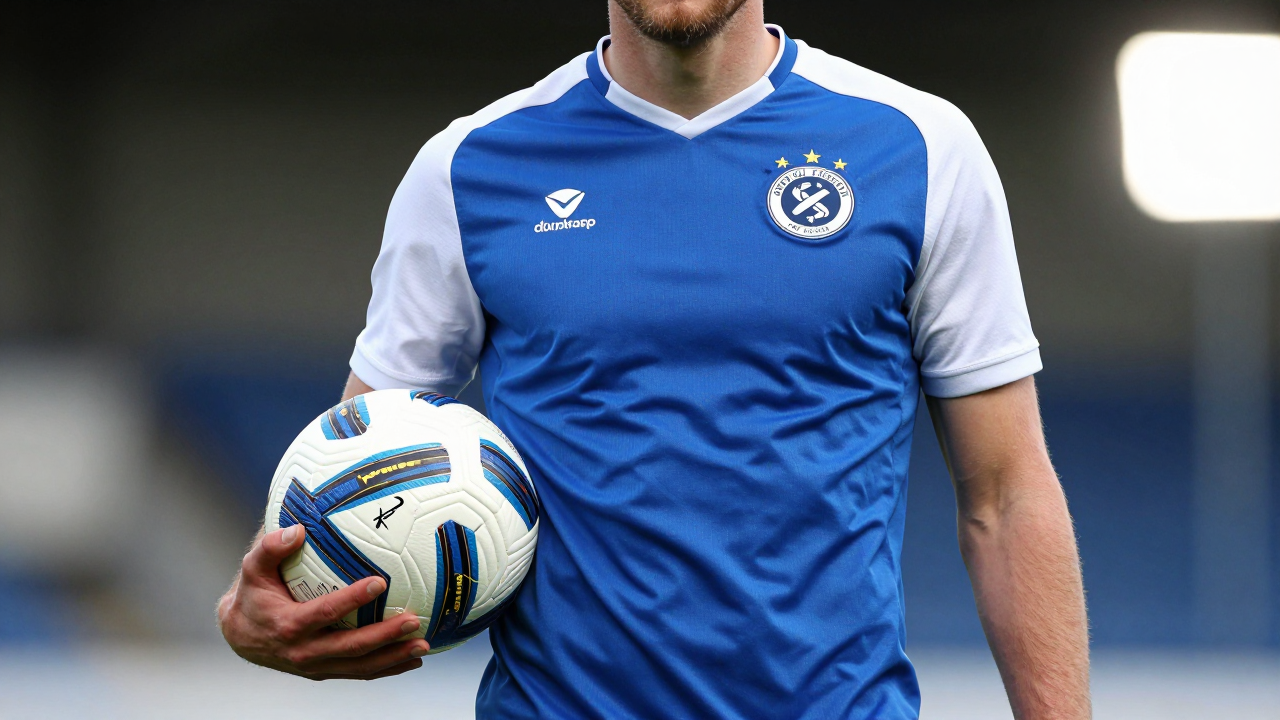

Recent Tactical Observations
As the Glovers continue their campaign in the National League, the team's recent performances have revealed both strengths and weaknesses in their tactical setup. While the squad has shown admirable resilience, particularly in defensive situations, there are several areas where tactical tweaks could lead to greater success on the pitch. Key among these are the midfield dynamics, pressing strategy, and attacking transitions.
Midfield Dynamics
Yeovil's midfield has often struggled to maintain possession, which has led to periods of intense pressure on the defense. The current formation tends to isolate players in the center, reducing passing options and leading to turnover issues. A potential adjustment could involve shifting to a more fluid 4-3-3 formation, with an emphasis on a box-to-box midfielder who can link play effectively between defense and attack. This would allow for more triangles in midfield, facilitating smoother ball movement and creating space for the wingers to operate.
Pressing Strategy
The team’s pressing game has shown flashes of effectiveness, but it can be more coordinated. At times, only one or two forwards engage the opposition defenders, leaving gaps that opponents exploit. Implementing a more structured pressing approach, where the front three work in tandem with the midfielders to cut off passing lanes, could improve the overall intensity and effectiveness of the press. This not only disrupts the opponent's build-up play but can lead to quick turnovers in advanced areas, offering opportunities for counter-attacks.
Attacking Transitions
In terms of transitioning from defense to attack, the Glovers have not capitalized on opportunities as effectively as they could. The current strategy often sees players slow to join the attack, allowing opposing defenses to regroup. By encouraging full-backs to push higher up the pitch during transitions and utilizing overlapping runs, Yeovil can create overloads on the flanks. This not only provides width but also stretches the opposition, creating gaps in the central areas for midfielders and strikers to exploit.
Player Roles and Responsibilities
Another crucial aspect to consider is the roles and responsibilities of individual players within the tactical framework. For example, if M. Gould is deployed as a central striker, his role could be better defined to maximize his strengths-encouraging him to drop deeper occasionally to create space for wingers to cut inside or make late runs into the box. Similarly, the wide players should be tasked with not only providing width but also engaging in combination plays to break down stubborn defenses.
Conclusion
As Yeovil Town navigates the challenges of the National League, tactical adjustments could be the key to unlocking their potential. By enhancing midfield dynamics, refining the pressing strategy, and improving attacking transitions, the Glovers can aspire to climb the league table. It is through these strategic tweaks that the club can harness its existing talent more effectively and forge a path toward a more consistent and successful campaign.