Every club has its foundational myths, the moments that define its soul and whisper of what's truly possible against all odds. For the Glovers, one such moment shines brightest from the mists of time, a beacon of ambition and sheer footballing audacity: the FA Cup giant-killing of Sunderland in 1949.
Imagine Yeovil in the late 1940s. A non-league outfit, plying its trade in the Southern League, far removed from the glitz and glamour of the First Division. The FA Cup, then as now, offered a portal to a different dimension, a chance for the minnows to swim with the sharks. And in the fifth round of the 1948-49 competition, the Glovers found themselves facing the biggest shark of them all: Sunderland, a formidable top-flight giant, boasting international players and a pedigree few could match. It was David versus Goliath, pure and unadulterated, a fixture that captured the nation's imagination.
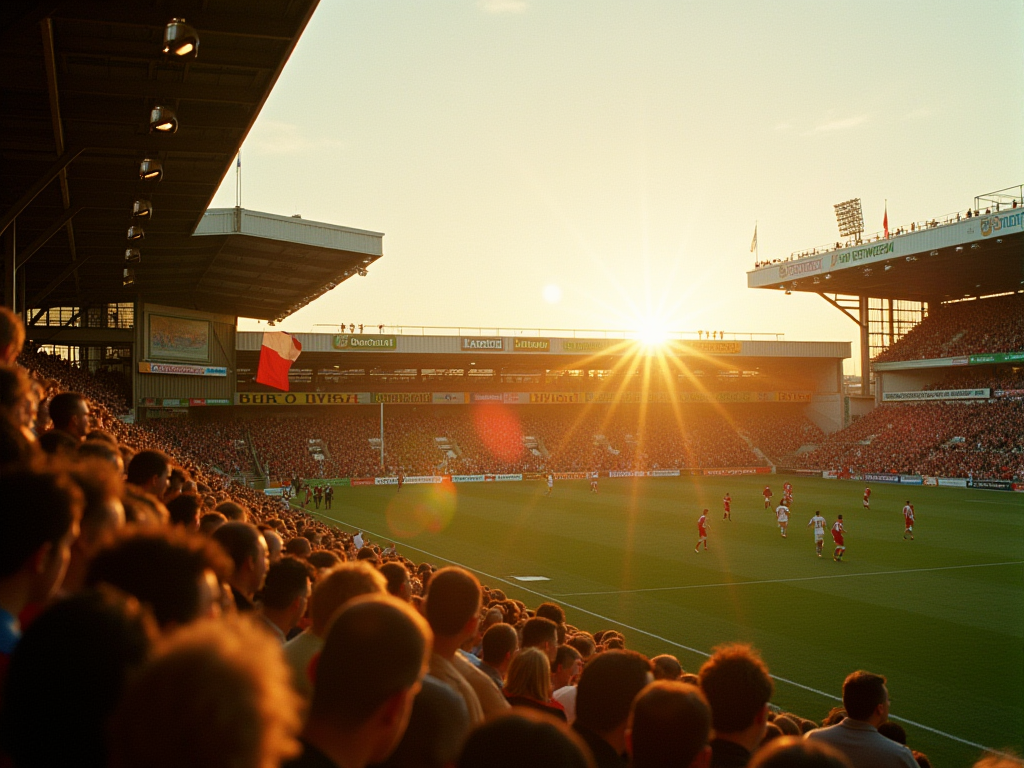
The build-up to the tie on Saturday, February 26, 1949, was palpable. The old Huish, our spiritual home, was buzzing. Queues for tickets snaked around the ground for days, and come match day, a staggering 16,315 fervent supporters packed every inch of the stadium – a record crowd that still stands. The air was thick with anticipation, disbelief, and a hopeful belief that perhaps, just perhaps, something extraordinary could happen.
Under the shrewd management of Alec Stock, the Glovers were no mugs, having already seen off the likes of Bury and Charlton Athletic in previous rounds. But Sunderland was a different beast entirely. Yet, as the referee's whistle blew, what unfolded was a contest of grit, determination, and a refusal to be overawed. The partisan crowd roared every tackle, every clearance, every foray forward, willing their local heroes on. The Yeovil players, driven by the occasion and the belief instilled by Stock, matched their illustrious opponents stride for stride.
The drama reached fever pitch, and the Glovers' momentous effort culminated in a famous 2-1 victory. The roar that erupted from the terraces as the final whistle blew must have shaken the very foundations of Somerset. It wasn't just a win; it was a statement. It was a victory for every underdog, a testament to the power of a collective spirit against overwhelming odds. The national press hailed it as one of the greatest Cup upsets in history, forever etching Yeovil Town's name into the annals of football folklore.
That day didn't just earn the club a quarter-final berth against Manchester United; it cemented Yeovil's identity as the archetypal FA Cup giant-killers. It proved that a small-town club, fuelled by passion and an unwavering belief, could humble the biggest names in the land. The financial windfall helped secure the club's future, but more importantly, it injected an enduring sense of pride and possibility that has resonated through every generation of Glovers fans.
Even now, as we navigate the challenges of the National League at Huish Park, that spirit of defiance, that belief in overcoming the odds, remains a core part of who we are. The memory of 1949 serves as a potent reminder that with heart, belief, and the roar of the Glovers' faithful behind them, anything is truly possible.