
Tactical Adjustments for Yeovil Town: Enhancing Creativity and Cohesion
As Yeovil Town continues its campaign in the National League, recent performances have revealed both strengths and weaknesses. The Glovers have shown resilience in tough matches but have occasionally struggled to convert possession into meaningful chances. To address these concerns and raise their game, some tactical adjustments could be beneficial.
Current Form Analysis
In their last few outings, Yeovil has displayed a solid defensive structure, often relying on a 4-2-3-1 formation that allows for both stability and width. However, while this setup has provided a strong backbone, it has also led to predictability in attacking transitions. The midfield duo, while combative, sometimes lacks the creativity needed to unlock well-organized defenses, resulting in a reliance on isolated wing play or long balls.
The Need for Creativity
The key to improving Yeovil's attacking play lies in enhancing creativity in the midfield. Currently, the team often struggles to break through opposition lines, especially against teams that defend deep. Introducing a more dynamic playmaker in the central midfield role could facilitate quicker transitions and more inventive attacking movements. A player who can not only dictate the tempo but also thread through balls to forwards would significantly benefit Yeovil's attacking potency.
Suggested Tactical Tweaks
1. Formation Shift
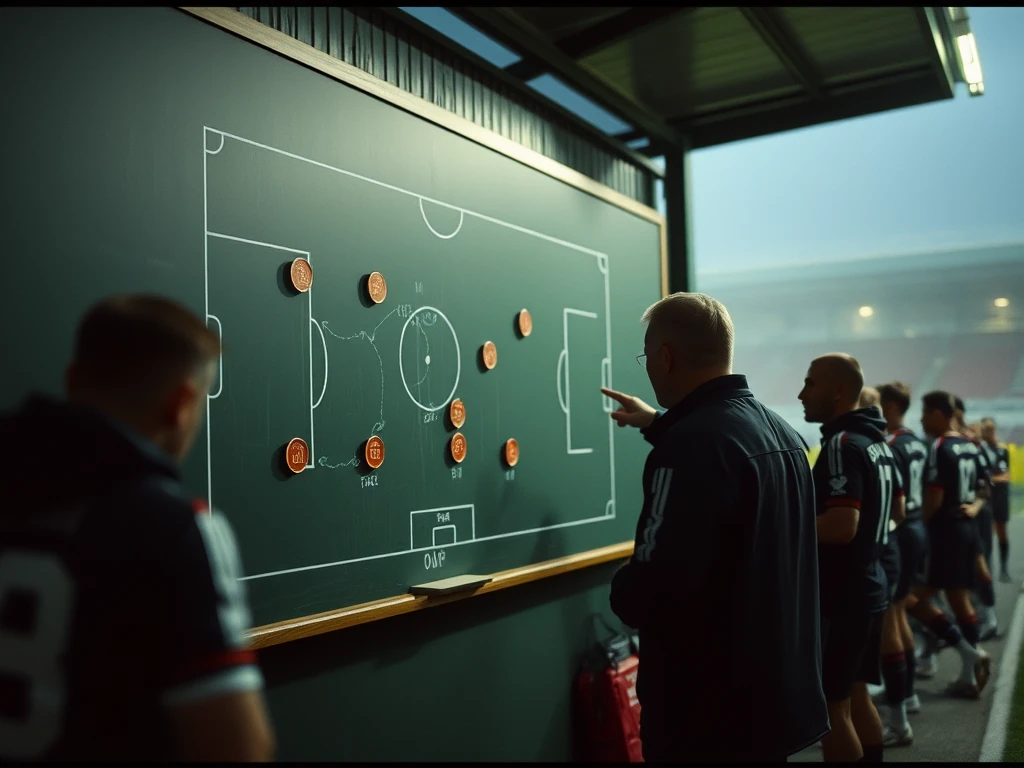
While the 4-2-3-1 formation has its merits, a switch to a more fluid 4-3-3 could provide better width and depth in attack. By pushing the wingers higher up the pitch and allowing them to cut inside, Yeovil could create more space for overlapping full-backs, thus stretching the opposition and creating more goal-scoring opportunities. This formation would also allow for a more aggressive press, especially in home matches at Huish Park, where the support can be a key factor.
2. Midfield Rotation
Encouraging more rotation between midfielders can enhance the team's fluidity. By allowing players to interchange positions-particularly the attacking midfielder and the wingers-Yeovil can create confusion within the opposition's defensive setup. This unpredictability can lead to openings that previous rigid formations may not have exploited.
3. Emphasis on Set-Pieces
Another area where Yeovil could gain an edge is through set-pieces. With several tall players in the squad, focusing on delivering more varied and targeted set-piece routines could yield dividends. Both attacking and defending set-pieces require sharp tactical awareness and execution, and investing time in this area could provide Yeovil with key goals and prevent unnecessary concessions.
Defensive Stability
While attacking creativity is vital, maintaining defensive stability remains most important. The Glovers have shown they can defend well in structured phases, but they must be cautious to not become too passive, especially when leading in matches. Encouraging defenders to step out and engage opponents higher up the pitch can disrupt the opposition’s rhythm and prevent counter-attacks.
Conclusion
In summary, Yeovil Town possesses the potential to improve its standing in the National League with some tactical tweaks. By fostering creativity in midfield, considering a formation shift to a 4-3-3, and capitalizing on set-pieces, The Glovers can enhance their overall performance. As the season progresses, these adjustments could make a significant difference, helping Yeovil Town reclaim its place among the league's competitive teams.